Exploring Superior Cuvette Products and Features
- betterlife4u6
- Apr 15
- 3 min read
When working with ultraviolet blood irradiation (UVBI) therapy, the quality of the equipment used can significantly impact treatment outcomes. One critical component in this process is the cuvette. Selecting the right cuvette is essential for ensuring precise and effective UV exposure. In this article, I will explore the features that make cuvettes superior, discuss their applications, and provide practical advice for choosing the best products for UVBI therapy.
Understanding Superior Cuvette Features
Superior cuvette features are designed to optimize the performance and reliability of UVBI devices. These features focus on material quality, optical clarity, durability, and compatibility with UV wavelengths. Here are some key aspects to consider:
Material Composition: High-quality cuvettes are typically made from quartz or specialized UV-grade glass. Quartz is preferred because it allows maximum transmission of UV light without significant absorption or distortion.
Optical Clarity: The cuvette walls must be free from impurities and defects to ensure consistent light transmission. Superior cuvettes have polished surfaces that minimize scattering and reflection.
Size and Volume: The dimensions of the cuvette affect the path length of UV light through the blood sample. Standard sizes are designed to fit specific devices and optimize exposure time.
Precision Manufacturing: Tolerances in thickness and shape are tightly controlled to ensure reproducibility and accuracy in UVBI therapy.
These features collectively contribute to the effectiveness of UVBI treatments by ensuring that the blood is exposed to the correct UV dose uniformly and safely.

What are cuvettes used for?
Cuvettes serve as the container for blood samples during UVBI therapy. Their primary function is to hold the blood in a controlled environment while allowing ultraviolet light to pass through efficiently. This exposure activates the therapeutic effects of UV light on the blood, which can include:
Immune Modulation: UV exposure can stimulate immune responses and reduce the presence of pathogens in the blood.
Oxygenation Improvement: UVBI may enhance oxygen delivery by altering blood properties. If you are concurrently performing with ozone therapy the oxygenation process is enhanced.
The cuvette’s transparency and material quality directly influence the treatment’s success by ensuring the UV light penetrates the blood broadly and uniformly.
Medical practitioners and clinics offering UVBI therapy rely on cuvettes that meet stringent standards to maintain treatment consistency and patient safety.
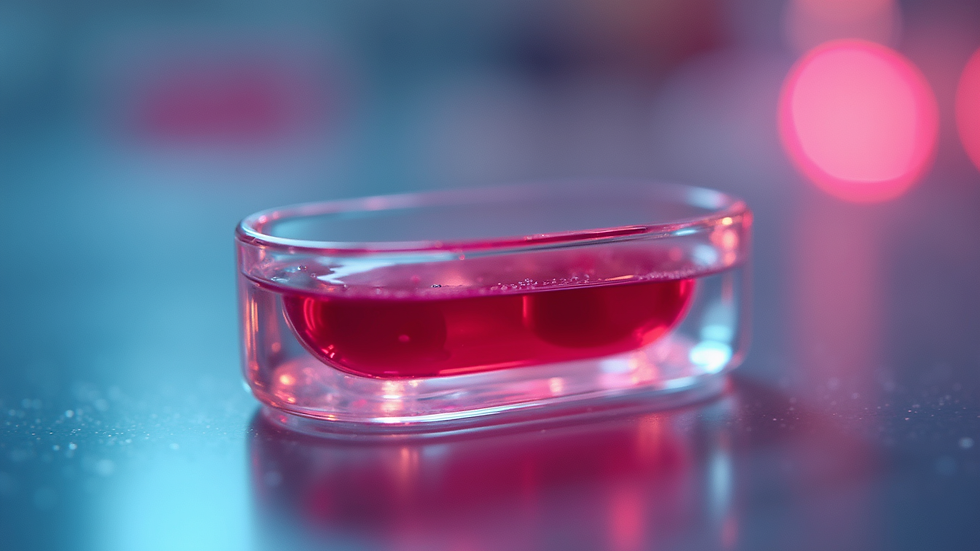
Choosing the Right Cuvette for UVBI Therapy
Selecting the right cuvette involves evaluating several factors to match the specific needs of your UVBI device and treatment protocols. Here are practical recommendations:
Match Material to UV Wavelength
Ensure the cuvette material is compatible with the UV wavelength used in your device. Quartz cuvettes are generally the best choice for UV wavelengths between 200-400 nm. Did you know most UV A frequencies are reflected by a glass cuvette, diminishing the therapeutic effect?
Verify Optical Quality
Even minor scratches or cloudiness can reduce UV transmission. This is precisely why quartz is superior and our cuvettes are recommended for single use only (as blood is caustic.)
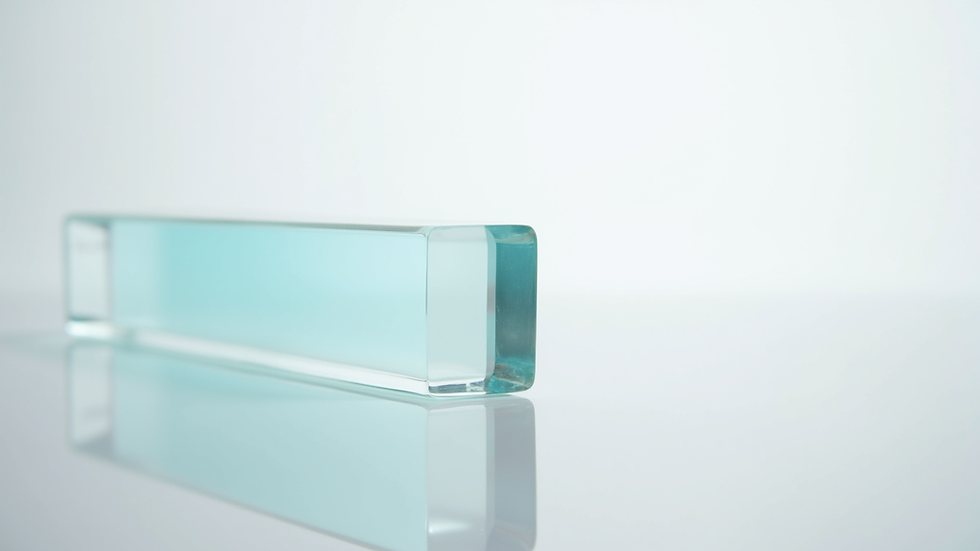
The Only True Flat Quartz Cuvette
Reliable suppliers provide consistent quality and technical support. For example, superior cuvette products offer scientifically validated options designed specifically for UVBI therapy.
By following these guidelines, you can ensure that your cuvettes contribute positively to treatment outcomes and patient safety.
Selecting and maintaining high-quality cuvettes is a foundational step in delivering effective UVBI therapy. Understanding the features that define superior cuvettes and applying practical selection and care guidelines ensures that the therapy is both safe and effective. With ongoing advancements in cuvette technology, the future of UVBI therapy looks promising for practitioners committed to excellence.


Comments