Understanding Ultraviolet Blood Irradiation Cuvettes
- betterlife4u6
- Dec 20, 2025
- 3 min read
Ultraviolet (UV) blood irradiation is an innovative medical treatment that has gained attention for its potential benefits in various health conditions. At the heart of this process are cuvettes, specialized containers that allow for the effective exposure of blood to UV light. This blog post will explore the significance of UV blood irradiation cuvettes, how they work, their applications, and the future of this intriguing medical technology.

What Are Ultraviolet Blood Irradiation Cuvettes?
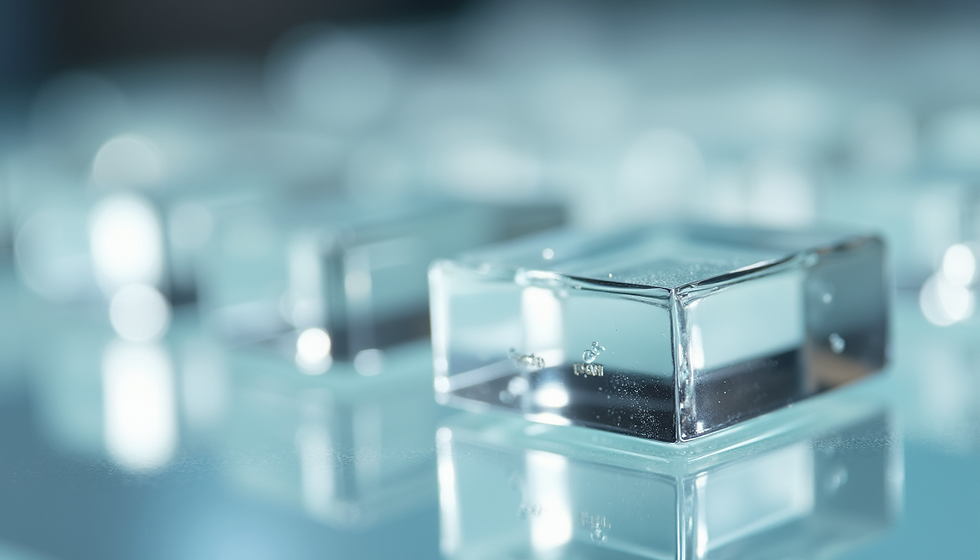
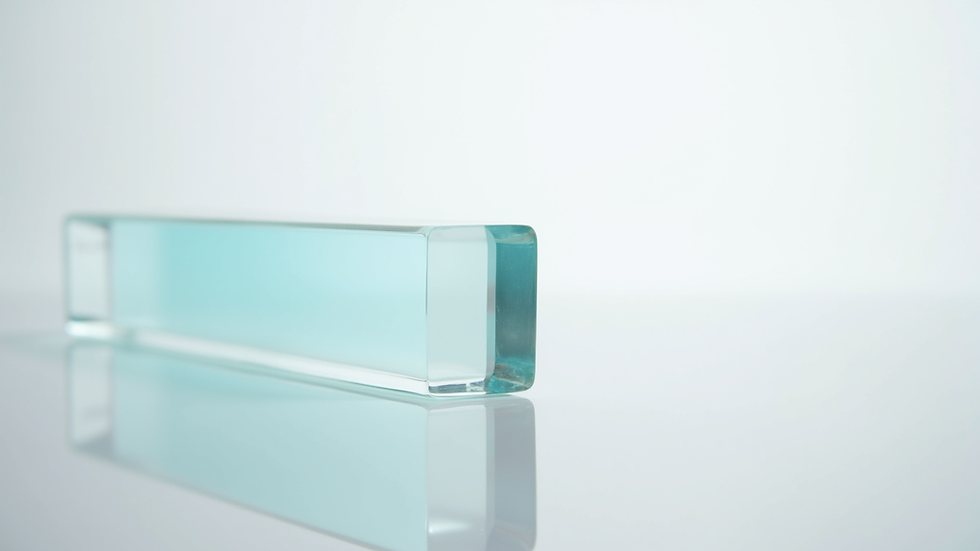
Cuvettes are small, often transparent containers designed to hold liquid samples for analysis or treatment. In the context of UV blood irradiation, these cuvettes are specifically engineered to facilitate the exposure of blood to ultraviolet light. This exposure is believed to have various therapeutic effects, including the enhancement of immune function and the reduction of pathogens in the bloodstream.
Key Features of UV Blood Irradiation Cuvettes
Material: Most cuvettes are made from quartz or specialized glass that allows UV light to pass through without significant absorption.
Design: The design often includes features that ensure optimal blood flow and light exposure, maximizing the treatment's effectiveness.
Size: Cuvettes come in various sizes, accommodating different volumes of blood depending on the treatment protocol.
How Does Ultraviolet Blood Irradiation Work?
The process of UV blood irradiation involves several steps:
Blood Collection: A small volume of blood is drawn from the patient, typically through a standard venipuncture.
Cuvette Filling: The collected blood is then placed into the cuvette, ensuring that it is evenly distributed for optimal light exposure.
UV Exposure: The cuvette is exposed to UV light for a predetermined duration. The wavelength of UV light used is crucial, as different wavelengths have varying effects on biological tissues.
Blood Return: After the treatment, the irradiated blood is returned to the patient's body.
Mechanism of Action
The therapeutic effects of UV blood irradiation are thought to stem from several mechanisms:
Pathogen Inactivation: UV light can damage the DNA of bacteria and viruses, rendering them inactive and reducing the risk of infection.
Immune Modulation: Exposure to UV light may stimulate the immune system, enhancing the body's natural defenses against diseases.
Improved Circulation: Some studies suggest that UV irradiation can improve blood flow and oxygen delivery to tissues.
Applications of Ultraviolet Blood Irradiation
Ultraviolet blood irradiation has been explored for various medical applications, including:
1. Treatment of Infections
One of the most promising applications of UV blood irradiation is in the treatment of infections. By inactivating pathogens in the bloodstream, this method may help patients recover from bacterial and viral infections more quickly.
2. Immune System Support
Patients with compromised immune systems, such as those undergoing chemotherapy or living with autoimmune diseases, may benefit from UV blood irradiation. The treatment could potentially enhance their immune response, helping them fight off infections more effectively.
3. Chronic Conditions
Some studies have suggested that UV blood irradiation may have positive effects on chronic conditions such as allergies, asthma, and even certain skin disorders. While more research is needed, the preliminary findings are encouraging.
4. Blood Transfusion Safety
In the context of blood transfusions, UV blood irradiation can be used to reduce the risk of transfusion-related infections. By treating donated blood with UV light before transfusion, healthcare providers can enhance the safety of blood products.
The Future of Ultraviolet Blood Irradiation Cuvettes
As research continues, the future of UV blood irradiation cuvettes looks promising. Here are some potential developments to watch for:
Advancements in Technology
Innovations in cuvette design and UV light sources may lead to more efficient and effective treatments. For example, the development of portable UV blood irradiation devices could make this therapy more accessible in various healthcare settings.
Expanded Clinical Applications
As more studies are conducted, we may see an expansion of the clinical applications for UV blood irradiation. This could include treatments for additional conditions and the integration of UV therapy into standard medical practices.
Regulatory Approvals
For UV blood irradiation to become a mainstream treatment option, it will need to undergo rigorous testing and receive regulatory approvals. As the evidence base grows, we may see increased acceptance of this therapy in clinical guidelines.
Conclusion
Ultraviolet blood irradiation cuvettes represent a fascinating intersection of technology and medicine. By harnessing the power of UV light, these devices have the potential to transform how we approach various health conditions. As research continues to unfold, the medical community may uncover even more benefits of this innovative treatment. For patients and healthcare providers alike, staying informed about advancements in UV blood irradiation could lead to new opportunities for improved health outcomes.
If you are interested in exploring UV blood irradiation further, consider discussing it with your healthcare provider to understand its potential benefits for your specific health needs.

Comments